Working in Mechatronics & Optomechatronics in the Netherlands

The Netherlands offers a vibrant, future-ready environment for engineers and innovators in mechatronics and optomechatronics. Here, ideas move fast from concept to prototype, and collaboration sparks discovery. Key Dutch regions host dynamic clusters that connect startups, global firms, and research centres. With strong industry-academic ties and progressive R&D, professionals can build meaningful careers contributing to global innovation.
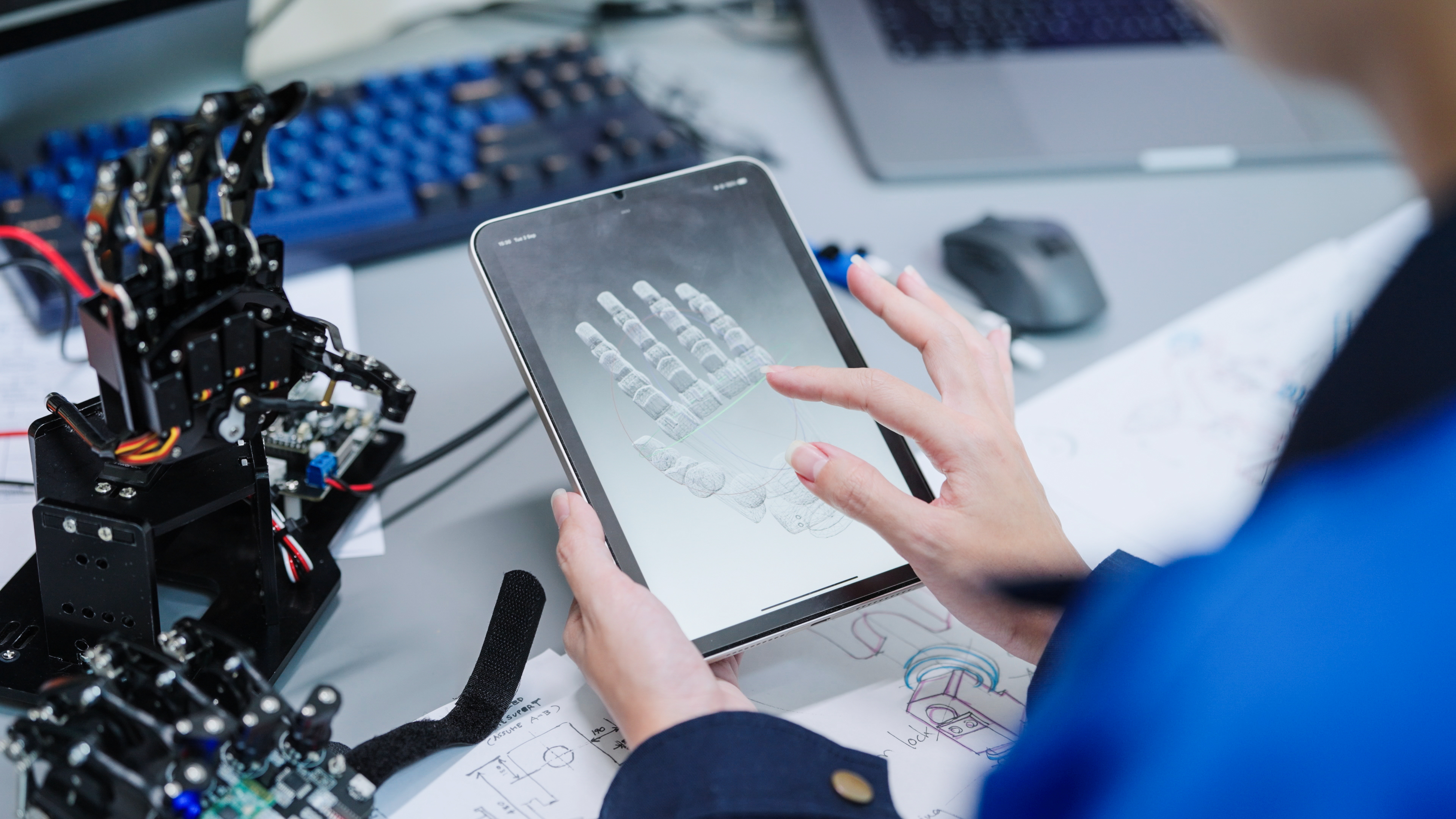
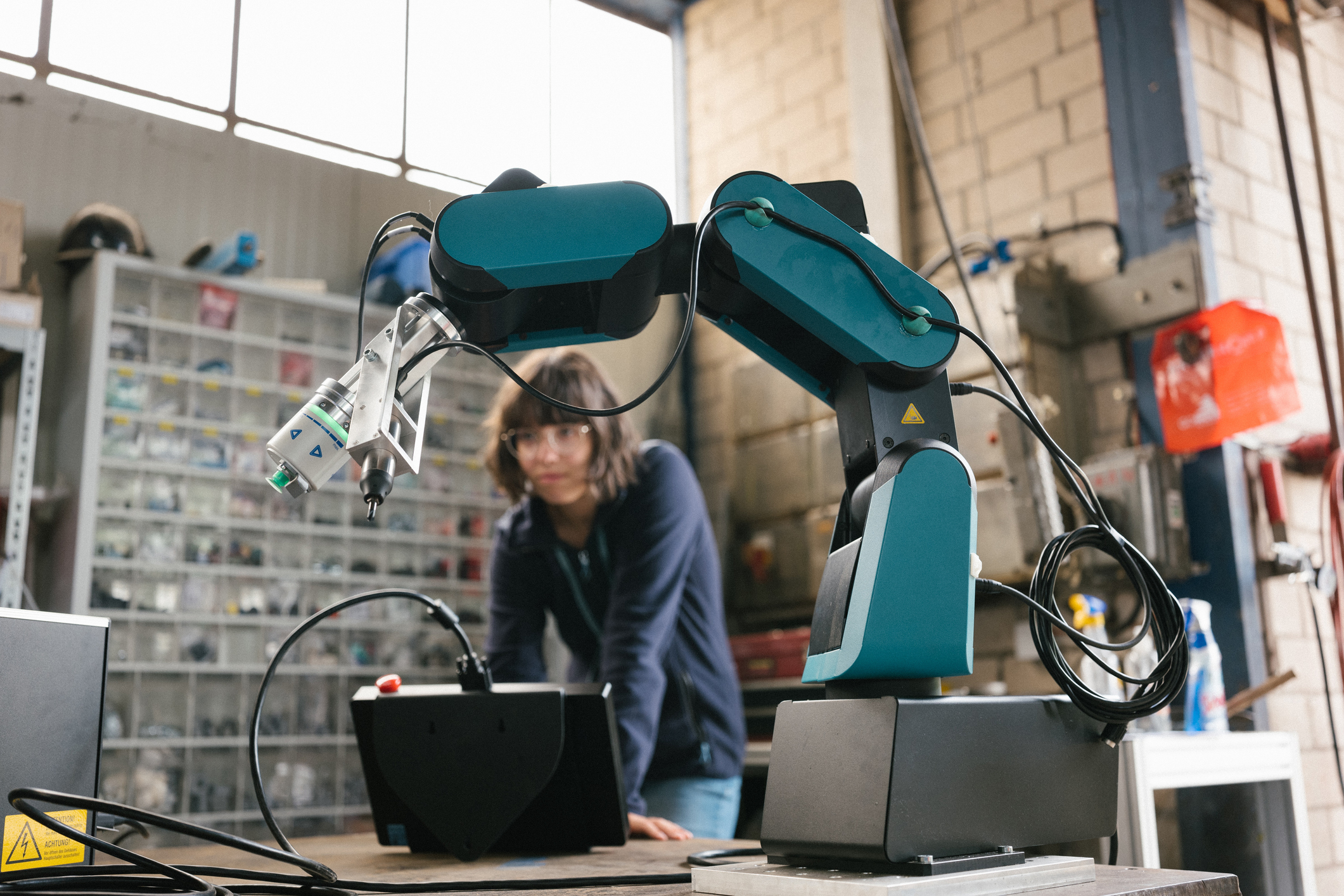
Robot Arm Operation

Qualifications & University Programmes

The Netherlands offers various mechatronics and optomechatronics education programs at Bachelor’s and Master’s levels, with universities and universities of applied sciences offering multidisciplinary approaches that combine mechanical engineering, electronics, automation, robotics, and optics. 

Admission to Bachelor’s programs requires a strong background in mathematics and physics, English proficiency, transcripts, and a motivation letter. Bachelor’s programs usually last four years and cover mechanical, electrical, and software engineering with strong ties to industry. Tuition fees range from approximately €2,600 for EU students to €9,000 for non-EU students. 

Leading institutions such as Saxion University (Bachelor’s in Mechatronics), Hanze University (Mechatronics major in Electrical & Electronic Engineering), and Fontys University (BSc in Mechatronics) emphasise hands-on projects, cross-disciplinary collaboration, and applied research in advanced labs. 

Master’s programs require a related technical Bachelor’s degree and prior knowledge of mechanics and control systems. Eindhoven University of Technology (TU/e) provides specialised tracks focused on mechatronic systems design and precision engineering. The University of Twente offers programs integrating mechatronics and photonics. TU/e also offers an Engineering Doctorate (EngD) program combining coursework with industry projects.

“The university infrastructure here is seriously good. If working with it, you're going to get high-quality results. Companies wanting to get access to the next generation of skilled resources, the next pool of skills, the Netherlands is a great place to be.”

Ken Fleming CEO, Fizyr

Professional courses and industry-certified training address specific demands in precision engineering, system integration, and innovation. This pipeline is further strengthened by collaboration with Hogescholen and MBO institutions like the Leidse InstrumentmakerSchool (LIS), ensuring a continuous supply of skilled technical talent. Notably, the High Tech Institute in Eindhoven offers CPE-certified modules and Opto-Mechatronics Summer Schools, which attract international participants who value their practical, industry-driven approach. These options build real-world skills and support lifelong learning in a rapidly evolving sector.

Both academic programs and professional certifications ensure talent pipelines for technical and hybrid mechatronics professionals, from system designers to robotics engineers and optomechanical specialists. While the Netherlands boasts a robust talent ecosystem, it's also recognised in the National Technology Strategy and the Action Agenda Mechatronics & Optomechatronics that ensuring a sustained supply of technically skilled talent remains a crucial, ongoing challenge for future growth, requiring continuous strategic investment and development.


Available Roles

Imagine walking into a Brainport Eindhoven lab, where your code brings a precision robotic arm to life, or collaborating in Delft on optical systems that power the next generation of semiconductors. In the Netherlands' world-leading mechatronics and optomechatronics ecosystem, such opportunities await talented professionals at every career stage, inviting you to contribute to innovations that shape global industries.

Entry-level positions typically pay between €40,000 and €52,000 annually and include roles such as Junior Mechatronics Engineer, Robotics Technician, and Embedded Systems Developer. These roles focus on automation, system assembly, and software integration.

"Optics engineers are key for Aircision because it's about understanding how the light beam works, but also how the optical components, like mirrors, have to function for us to be able to transmit data."

Luís Pedro Oliveira Founder, Aircision

Mid-level roles such as Mechatronics Engineer, Optomechatronics Specialist, Systems Integrator, and Application Engineer offer salaries ranging from €53,000 to €85,000. Responsibilities expand to system design, process optimisation, and managing collaborative R&D projects.

Senior roles, ranging from €80,000 to €130,000, include Lead Engineer, Project Manager, R&D Manager, and Innovation Director. These professionals oversee large projects, lead cross-functional teams, and drive technological innovation.

What happens when scientific curiosity meets commercial grit? Roland van Vliet's story: 14 years at TNO with a chemical engineering PhD, then together with co-founder Hamed Sadeghian spotting the metrology gap that birthed Nearfield Instruments. Scaling from a TNO spin-off duo to a 400+ employee semiconductor powerhouse, he now forges partnerships and consortia as Chief Partnership Officer. Van Vliet embodies Dutch mechatronics' secret: victory demands top talent from every field cooperating, from cleanroom engineers to business strategists. 

"While the majority of our openings are in technical fields, we also actively recruit for non-technical positions across various departments, including finance, HR, recruiting, quality, health, and safety. We are solely focused on finding the best talent, and intentionally avoid self-imposed limitations to maximise benefit for the company."

Roland van Vliet, Co-founder & Chief Partnership Officer, Nearfield Instruments
 

This talent-first mindset creates space for every professional to thrive, whether you're fine-tuning optical systems or shaping business strategy.

"The tight-knit ecosystem of mechatronics expertise creates collaborative opportunities where professionals work together on fundamental challenges rather than competing in isolation."

Ton Peijnenburg, Deputy General Manager (CTO) at VDL Enabling Technologies Group / Chairman NTS Coalition
 

Specialisations such as Automation Architect and Photonics Systems Designer are in demand, particularly in sectors like semiconductors, healthcare, automotive, and industrial automation. Hybrid roles that combine mechatronics with AI, data science, or quantum tech are growing. Support roles such as lab technician and project coordinator remain vital for sustaining technical innovation.


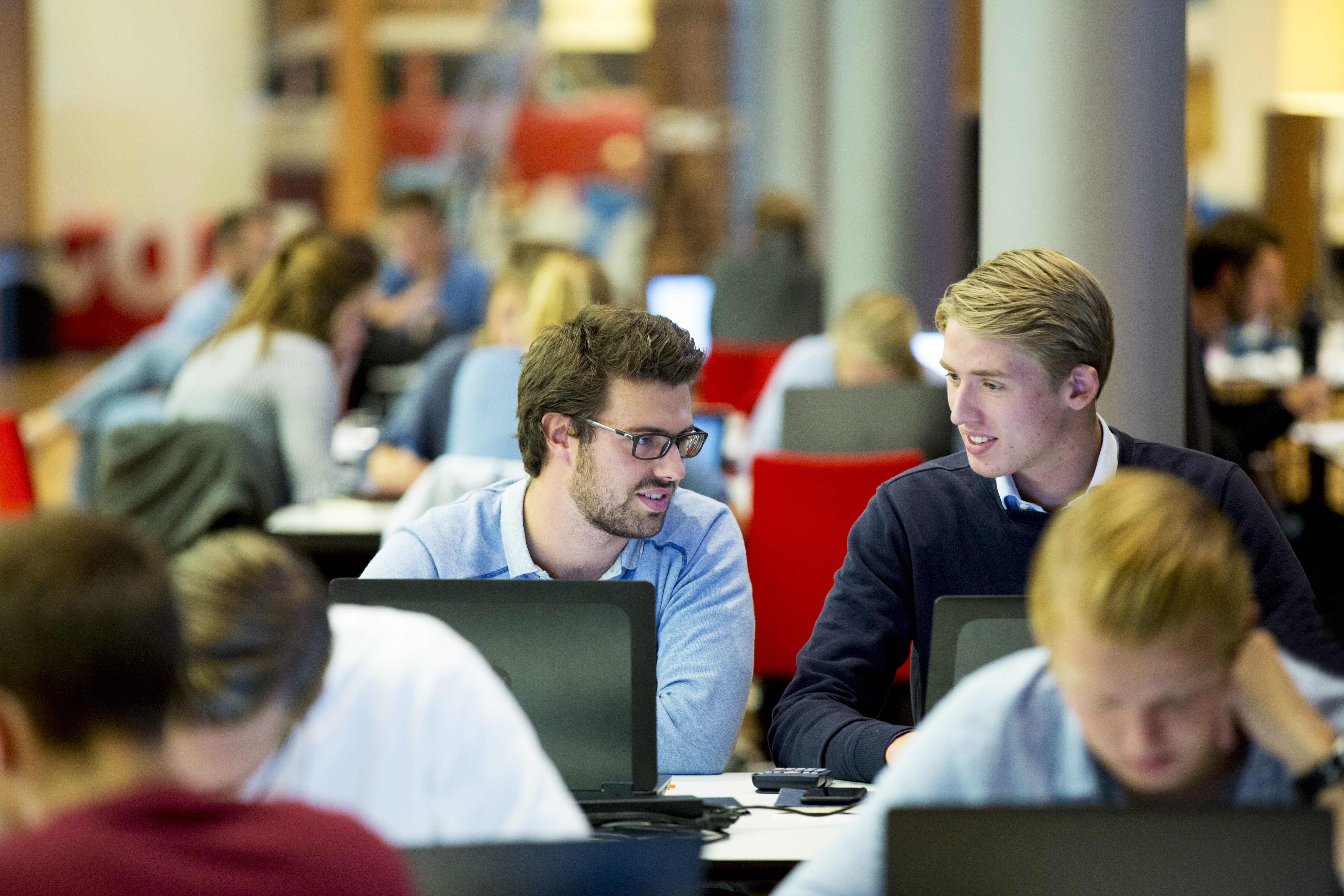
Students working at TU Delft
Arenda Oomen Fotografie
“While the majority of our openings are in technical fields, we also actively recruit for non-technical positions across various departments, including finance, HR, recruiting, quality, health, and safety. We are solely focused on finding the best talent and intentionally avoid self-imposed limitations to maximise benefit for the company.”

Key Dutch Regions

The Netherlands hosts several dynamic regions that lead innovation in mechatronics and optomechatronics, each with unique strengths supporting research, industry, and collaboration. The characteristic structure of the Dutch ecosystem, featuring strong OEM (Original Equipment Manufacturer) companies supported by a robust network of tier-1 and tier-2 suppliers, alongside highly specialized niche companies, often clustered regionally, is a key differentiator. This tiered structure facilitates deep collaboration and rapid innovation across the supply chain, from system architects to component specialists.

Brainport Eindhoven 

Brainport Eindhoven is Europe’s most innovative technology region and a global high-tech hub for mechatronics. With a population of 750,000, this region is home to over 5,000 high-tech and IT companies, which contribute approximately €28 billion annually to the Dutch economy and generate more than half of the country’s patents.

The High Tech Campus Eindhoven, known as the smartest square kilometre in Europe, is home to 300+ companies and more than 12,500 innovators responsible for 40% of Dutch patent applications. Key hubs in the region are Brainport Industries Campus for manufacturing innovation, Automotive Campus for smart mobility, and TU Eindhoven, which integrates university expertise with industry partnerships. 

Major companies headquartered here include ASML, Philips, NXP, and TomTom, supported by an extensive network of 200+ high-tech SMEs. This dynamic ecosystem thrives on strong public-private partnerships, close connections to industry leaders, and an international business environment where 90% of the population speaks English, making it ideal for cutting-edge R&D in robotics, industrial automation, and precision engineering.

Twente Region

Twente Region combines strong university research with a vibrant startup ecosystem specialising in intelligent systems, photonics, and integrated mechatronics. It is home to the Integrated Photonics Hub, excelling in silicon nitride technology, led by key players such as Lionix International and New Origin, a photonic foundry developing next-generation chips.

The University of Twente anchors this innovation with strong engineering and applied sciences programs, alongside the MESA+ Nanotechnology Institute, driving advanced materials research. With €133 million in EU investment supporting photonics pilot lines and emerging quantum technology applications, the region fosters cross-border collaboration with German tech hubs, securing its position as a cutting-edge centre for photonics and mechatronics development.

Groningen and Northern Netherlands

Groningen and Northern Netherlands emphasise industrial robotics, automation, and embedded systems. Hanze University’s mechatronics major connects practical engineering skills with regional industrial needs, supporting the growth of local technology companies.

These clusters benefit from close cooperation between universities, industry, and government, driving sustainable innovation and providing diverse career opportunities for engineers focused on next-generation machinery, AI integration, and smart infrastructure. This variety of regional strengths establishes the Netherlands as an international pioneer in mechatronics and optomechatronics advancement.

Delft Region

The Delft region centres on TU Delft, a leading technical university renowned for forefront research in optomechatronics and quantum technology. The Dutch Optics Centre, a consortium of over 200 high-tech companies, strengthens the region’s focus on precision instrumentation and advanced materials research. TU Delft excels in space technology applications, quantum computing and sensing.

Greater Amsterdam Region

Greater Amsterdam complements this with strengths in quantum sensing, computing applications, and applied algorithms, alongside a vibrant high-tech services and consulting sector. The region hosts numerous international headquarters and benefits from excellent connectivity through Schiphol Airport, making it a central European hub within 800 miles of 400 million customers.

The Netherlands features strong national connectivity with integrated high-tech ecosystems that foster collaboration across regions. A 2.5-hour train traverse covers the entire country, supported by world-class logistics infrastructure. English is the primary language of business, and the area ranks among the top 10 in the OECD’s quality of life index, offering excellent work-life balance, healthcare, and sustainable transportation that promote ongoing professional growth.
 

Entrepreneurship

From the entry-level roles and dynamic regions we’ve explored, it’s clear the Netherlands isn’t just a place to work—it’s where bold ideas become reality. The country has become a vibrant hub for innovation and high-tech startups, especially in mechatronics and optomechatronics. Borrowing from a rich history of technological excellence, rooted in pioneering institutions and industry giants, this ecosystem now boasts a dynamic network of startups, research labs, and industry leaders. 

Entrepreneurs here are part of a story of growth and shared ambition. With access to exceptional talent, state-of-the-art research facilities, and robust funding opportunities, the Netherlands provides an ideal environment for turning vision into impact, empowering innovators to scale globally and lead the future of high-tech industries.

Companies and entrepreneurs here benefit from extensive support platforms, specialised accelerators, and government initiatives that help turn big ideas into scalable solutions. As the country continues to cultivate an environment conducive to collaboration and innovation, it has become a real launchpad for entrepreneurs eager to push the boundaries of precision mechanics, optics, and automation technology. 

With unparalleled access to world-class talent, cutting-edge research facilities, and abundant funding, the Netherlands empowers you to transform your mechatronic and optomechatronic vision into a global reality. Launch your startup here —and lead the future of high-tech innovation on the world stage.


More on Mechatronics & Optomechatronics in NL

To dive deeper, explore our articles on Mechatronics & Optomechatronics and the 10 most important trends.